
When planning a bathroom renovation, choosing the right tile can significantly influence the room’s aesthetic and functionality. Two popular options in the realm of Home Improvement and Interior Design are Zellige and Ceramic tiles. Each offers unique style options that cater to different tastes and design goals. This article will explore the characteristics of Zellige and Ceramic tiles, compare their aesthetic appeal, and evaluate their durability and maintenance needs to help you make an informed decision.
Zellige Tile: A Distinctive Choice for Bathrooms
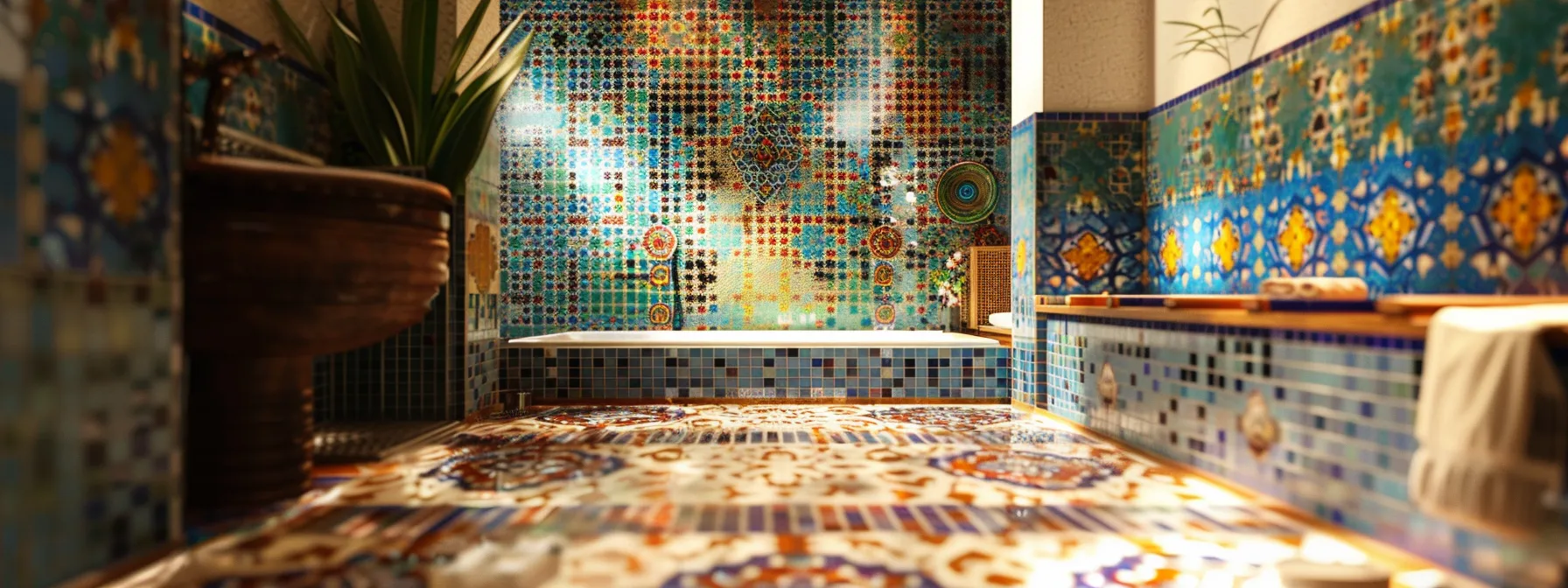
Zellige tile is renowned for its handcrafted nature and distinctive finish, making it a favorite among designers aiming for a unique, artisanal look. Originating from Morocco, these tiles are made from non-refined, natural clay and fired in a traditional kiln, resulting in a glossy, uneven surface that reflects light beautifully. The organic process means each tile is unique, contributing to a rich textural quality that can transform a bathroom into an artistic space. This handcrafted aspect is similar to the bespoke nature found in FF&E (furniture, fixtures, and equipment) design, where each piece is selected to add a personal touch to the space.
For those considering a Zellige Tile Bathroom, these tiles offer a broad spectrum of colors and patterns that can be customized to fit specific design visions. Notably, the use of Zellige tiles in a shower can create a stunning focal point, as detailed in the Zellige Tile Bathroom guide. This guide provides insights into incorporating Zellige tiles effectively, ensuring a harmonious blend of functionality and beauty.
Ceramic Tile: Versatile and Affordable Bathroom Solutions
Ceramic tiles are a staple in many bathrooms due to their versatility and affordability. These tiles are manufactured through a process involving clay and other natural minerals, then coated with a durable glaze. The controlled production process allows for a wide range of design options, from subtle monochromes to bold patterns, making it easy to incorporate into various design styles. The flexibility in design is akin to the adaptability seen in LVT (luxury vinyl tile), which is prized for its ability to mimic natural materials at a lower cost.
In terms of sustainability, ceramic tiles often have an EPD (Environmental Product Declaration), ensuring they meet certain environmental standards. This makes them a great choice for environmentally conscious homeowners seeking to achieve LEED Certification for their projects. Additionally, ceramic tiles are compatible with high-performance bathroom installations, such as those requiring GFCI (Ground Fault Circuit Interrupter) outlets for enhanced electrical safety.
Comparing Aesthetic Appeal: Zellige vs. Ceramic
When comparing the aesthetic appeal of Zellige and Ceramic tiles, it’s important to consider the overall design goals. Zellige tiles offer a unique, handcrafted appearance that can introduce a sense of warmth and character to a bathroom. Their irregular surfaces and vibrant glazes can create a dynamic visual effect that is difficult to replicate with other materials. This is particularly beneficial in design projects where the goal is to evoke a sense of craftsmanship and individuality, similar to developing a detailed Mood Board for a personalized interior design project.
On the other hand, Ceramic tiles are praised for their clean lines and uniformity, which lend themselves well to modern and minimalist designs. They can provide a sleek, polished look that complements contemporary fixtures and finishes. This can be particularly appealing in projects where precision and uniformity are prioritized, much like the detailed accuracy required in CAD (computer-aided design) drawings used by interior designers to plan and visualize spaces.
Durability and Maintenance: Which Tile Stands the Test of Time?
Durability and maintenance are critical factors when selecting tiles for a bathroom, given the area’s exposure to moisture and regular use. Zellige tiles, while aesthetically stunning, require careful maintenance due to their porous nature. They should be sealed properly to prevent water damage and staining, much like how SIPs (structural insulated panels) require proper sealing in construction to maintain their R-value, which measures thermal resistance.
Ceramic tiles, conversely, are known for their durability and ease of maintenance. The glazed surface is resistant to moisture, stains, and scratches, making them ideal for high-traffic areas. This durability is akin to the robust nature of TPO (thermoplastic polyolefin), a material used for its longevity and resistance to environmental stressors. Moreover, ceramic tiles are less prone to chipping and cracking, ensuring they retain their appearance over time with minimal upkeep.
Conclusion

The choice between Zellige and Ceramic tiles ultimately depends on your aesthetic preferences and maintenance willingness. Zellige tiles offer a unique, handcrafted look perfect for those seeking individuality and charm in their bathroom design. Meanwhile, Ceramic tiles provide a versatile and durable option for those prioritizing practicality and affordability. Whether you opt for the artisanal appeal of Zellige or the sleek modernity of Ceramic, both choices can transform your bathroom into a stylish and functional space.